Choosing the right electric fence insulators is crucial for effective and sustainable farming. This guide will help you select the ideal insulators from Tractor Supply, ensuring a reliable and long-lasting electric fence system. We'll explore various insulator types, installation techniques, and maintenance best practices to keep your livestock safe and your farm operating efficiently. For more information on Tractor Supply's fence offerings, check out their fence guide.
Understanding Electric Fence Insulators: Materials and Styles
Tractor Supply offers a range of electric fence insulators, each with unique characteristics. Understanding these differences is key to choosing the right insulator for your needs. Factors to consider include material, style, and durability.
Insulator Materials: A Comparison
Electric fence insulators are typically made from glass, ceramic, or plastic. Each material presents advantages and disadvantages:
Glass Insulators: Known for exceptional durability and insulation properties, glass insulators offer a long lifespan. However, they are heavier, more fragile, and generally more expensive than other options. Are they worth the extra cost for their superior longevity?
Ceramic Insulators: Ceramic insulators provide a good balance between durability, cost, and insulating properties. They are more resistant to breakage than glass but may still be susceptible to damage from impacts. How do ceramic insulators compare to plastic in terms of long-term cost-effectiveness?
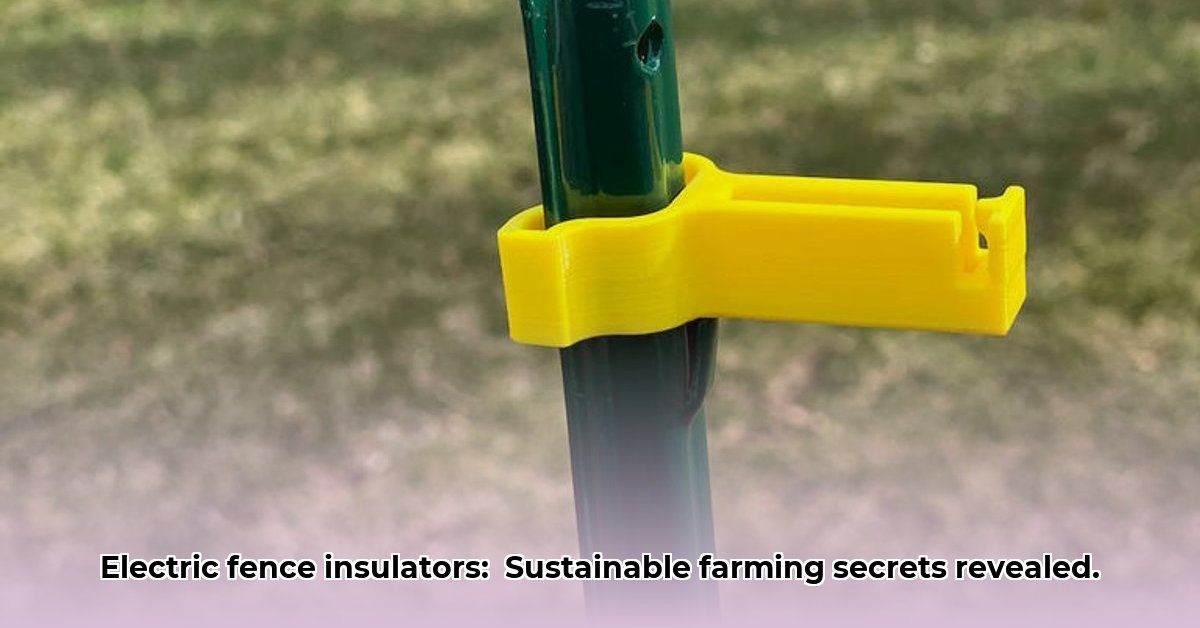
Plastic Insulators: Plastic insulators are the most affordable and lightweight option, making them ideal for smaller projects or temporary fencing. However, they are less durable and more susceptible to UV degradation and damage from extreme weather conditions. What are the trade-offs between cost and durability when choosing plastic insulators?
Insulator Styles: Flashing vs. Non-Flashing
Insulators also come in flashing and non-flashing styles:
Flashing Insulators: These insulators include a visible flashing component that signals potential problems, such as broken wires or damaged fence line. This design simplifies detection of faults and enhances fence safety.
Non-Flashing Insulators: These insulators solely provide electrical insulation, with no visible indication of potential issues.
The choice between flashing and non-flashing insulators depends on your priorities: quick problem detection or lower cost.
Selecting the Right Insulator for Your Needs
Before purchasing insulators, consider these crucial factors:
Fence Type and Size: The size and type of your fence will significantly influence the required insulator strength and durability. A small paddock will likely necessitate a different insulator choice than a large pasture.
Livestock Type: Different livestock have different behaviors. More robust insulators might be needed for animals prone to fence damage.
Climate Conditions: Exposure to harsh sunlight, rain, snow, and extreme temperatures can affect insulator lifespan. Choose durable insulators appropriate for your local weather patterns.
Budget: Insulator costs vary significantly. Balance cost with desired durability and longevity.
Installing Your Electric Fence Insulators: A Step-by-Step Guide
Proper installation is crucial for fence effectiveness and safety. Follow these steps for optimal results:
Plan the Fence Line: Carefully plan the positioning of posts and insulators to allow for even spacing and the desired configuration of fence sections.
Securely Attach Insulators: Use appropriate fasteners (screws, clips, etc.) to firmly attach insulators to fence posts, ensuring a secure connection.
Install Fence Wire: Stretch the fence wire taut, minimizing slack and ensuring proper tension.
Test the Fence: After installation, test the fence using a voltmeter to confirm proper voltage and ensure functionality. A properly functioning fence is crucial for optimal livestock containment.
Grounding System: Ensure a strong grounding system is in place to effectively complete the electrical circuit. Multiple ground rods are recommended. A strong grounding system is essential to ensuring the electric fence is both effective and safe.
Maintaining Your Electric Fence for Long-Term Performance
Regular maintenance prolongs the lifespan of your electric fence and ensures its effectiveness. This includes:
Regular Inspections: Periodically inspect the fence for damaged insulators or wires, making necessary repairs or replacements promptly.
Voltage Checks: Regularly test the fence's voltage with a voltmeter to maintain optimal functionality.
Weather Considerations: Take into account severe weather, such as storms or extreme temperatures, which can damage the insulators or wire. Regular maintenance and repairs can prevent costly issues down the road.
By following these guidelines and choosing the right insulators from Tractor Supply, you can build a robust, long-lasting, and sustainable electric fencing system for your farm.